
Sectional Times Explained: Why Closing Speed Beats Final Position
8 Aug 2026 · 6 min read · True Overlay team
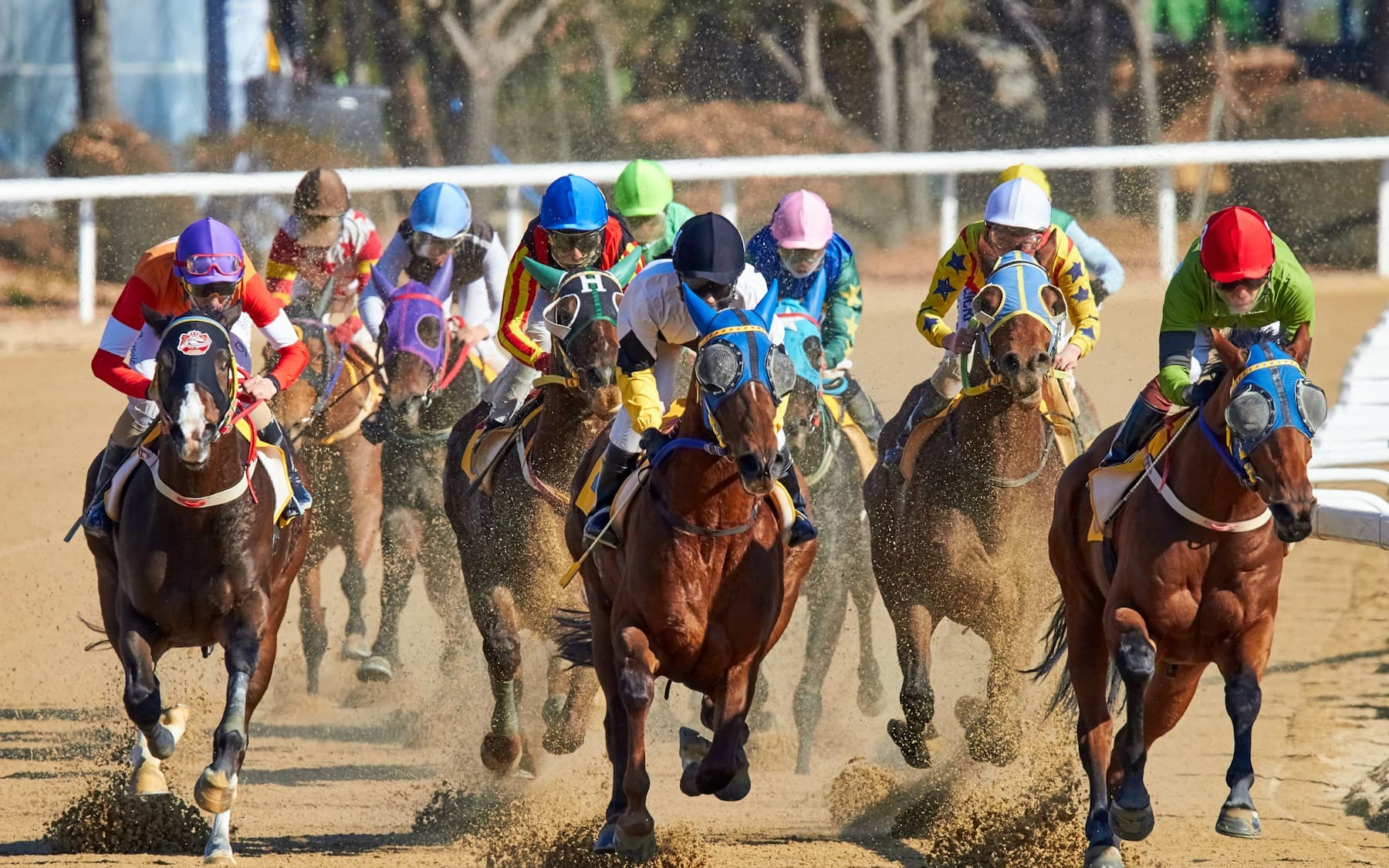
The result of a race tells you the order horses crossed the line. It tells you almost nothing about how fast each of them was actually travelling, because races are run at wildly different tempos. A slowly-run race turns into a sprint where position matters more than ability; a truly-run race sorts horses by genuine speed.
Sectional times fix this. By splitting the race into segments — typically each furlong, or the final two or three furlongs — you can see which horses were finishing fastest regardless of where the early pace left them.
The hidden fast horse
Consider a ten-runner race crawled through the first half. The leaders quicken first, the closers give chase, and a horse drawn wide finishes fourth, beaten two lengths — but runs the final three furlongs a full second faster than anything else in the field. The form book says 'fourth'. The clock says 'fastest horse in the race, wrong race shape'.
Next time out, that horse's market price may be influenced by 'fourth'. A careful analysis can also account for the clock, while keeping the limits and coverage of the timing data visible.
Reading sectionals properly
Raw sectional times mislead without context. They need adjusting for track configuration, going, and race tempo — a 34-second final three furlongs means something completely different off a crawl than off a strong gallop. Analysts express this as a percentage of the horse's overall race speed: finishing 'above par' for the distance signals unused reserve.
This is the kind of arithmetic software can make repeatable. Where licensed fields are available, they should be normalized against race context and cited directly rather than presented as unsupported insight.
See the theory running live
The scanner applies everything in this guide across major racing markets, around the clock — and publishes the record.
Scan today's overlays