
What Is an Overlay Bet? How Price and Probability Work
12 Aug 2026 · 7 min read · True Overlay team
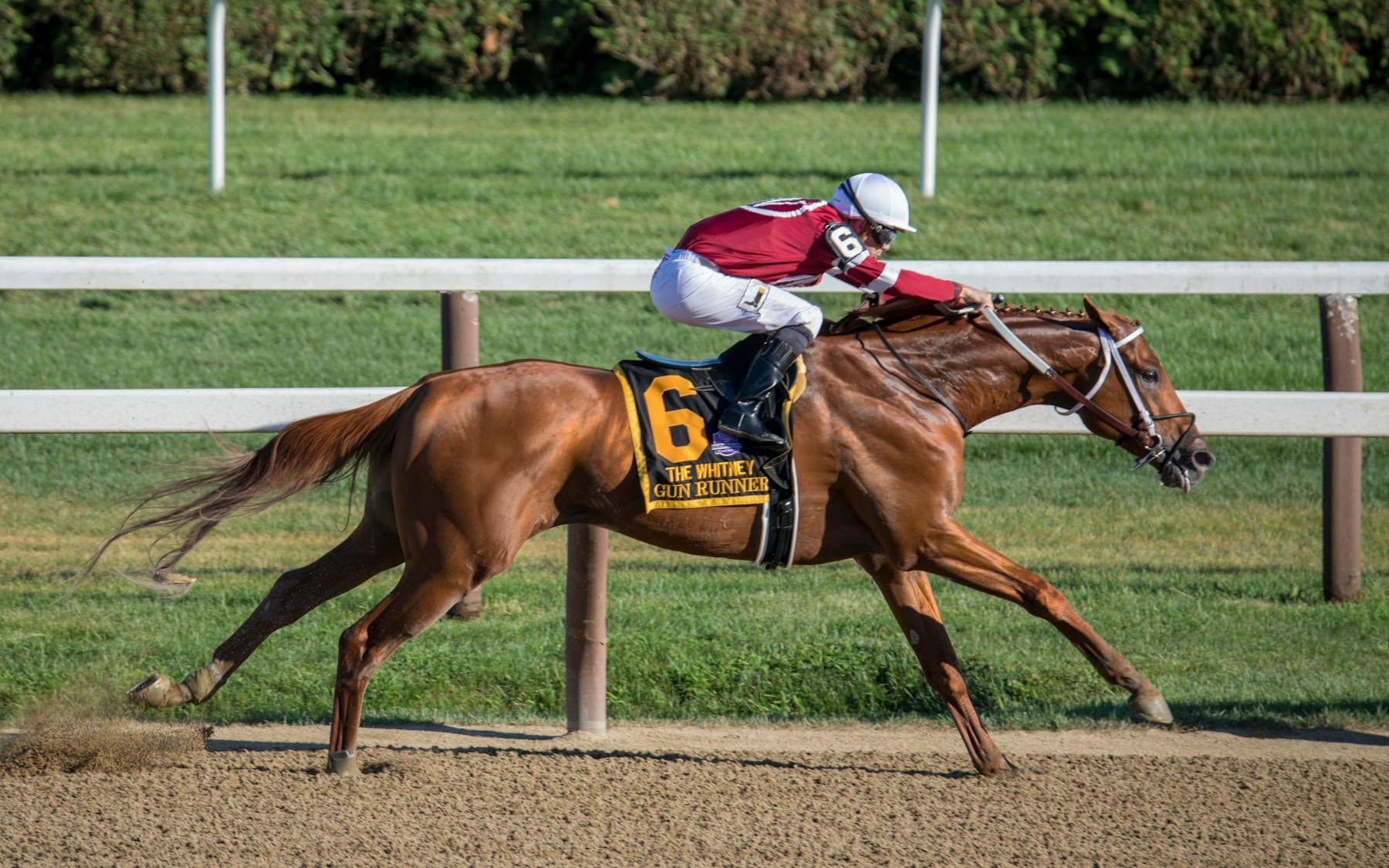
Most race discussion starts with who will win. A price-led analysis starts with a second question: does the available price compensate for the uncertainty? The word at the centre of that comparison is 'overlay'.
An overlay is a horse whose market odds are bigger than its estimated probability of winning. If a model estimates a 25% chance — fair odds of 3/1 — and the market offers 9/2, it has identified an overlay. The estimate can still be wrong, and the horse will lose more often than it wins.
The maths in one paragraph
Expected value is stake × probability × odds, minus the stake. Bet £1 on a 25% chance at 9/2 and your expected return is £1 × 0.25 × 5.5 = £1.375 — a 37.5p profit per pound, on average, before the race is even run. Bet the same horse at 2/1 and the expectation flips to a 25p loss. Same horse, same race, same result — the price alone decides whether the bet was good.
This is why 'finding winners' is the wrong goal. Favourites win about a third of all races; anyone can find winners. Finding prices that are wrong is the skill, because the market — the aggregated opinion of every bettor and bookmaker — is very good, but not perfect.
Where overlays come from
Markets can misprice horses for predictable, human reasons. Reputation may be priced ahead of evidence, visually impressive wins can attract disproportionate attention, and ground changes can move estimated probabilities before the market fully adjusts. In big-field handicaps, attention also tends to concentrate on the top of the market.
Each of these is a systematic bias, which means each can be modelled. That's precisely what True Overlay's model does: it prices every runner from sectional times, going suitability, pace dynamics, and dozens of other inputs — then compares its price with the market's and flags the gaps.
What overlay betting is not
It is not backing outsiders for the sake of it. A 33/1 shot the model estimates at 100/1 is unattractive; a 6/4 favourite estimated at evens may offer a gap. Model estimates can be wrong, and overlays can appear at any price point.
It is not a promise about any single race. A 25% chance loses three times out of four — a fact your bank balance will remind you of regularly. Overlay betting is a volume game with a statistical edge, which is why staking discipline and an honest record matter as much as the picks themselves.
See the theory running live
The scanner applies everything in this guide across major racing markets, around the clock — and publishes the record.
Scan today's overlays