
Going Changes: How Ground Conditions Create Morning-of-Race Value
15 Jul 2026 · 5 min read · True Overlay team
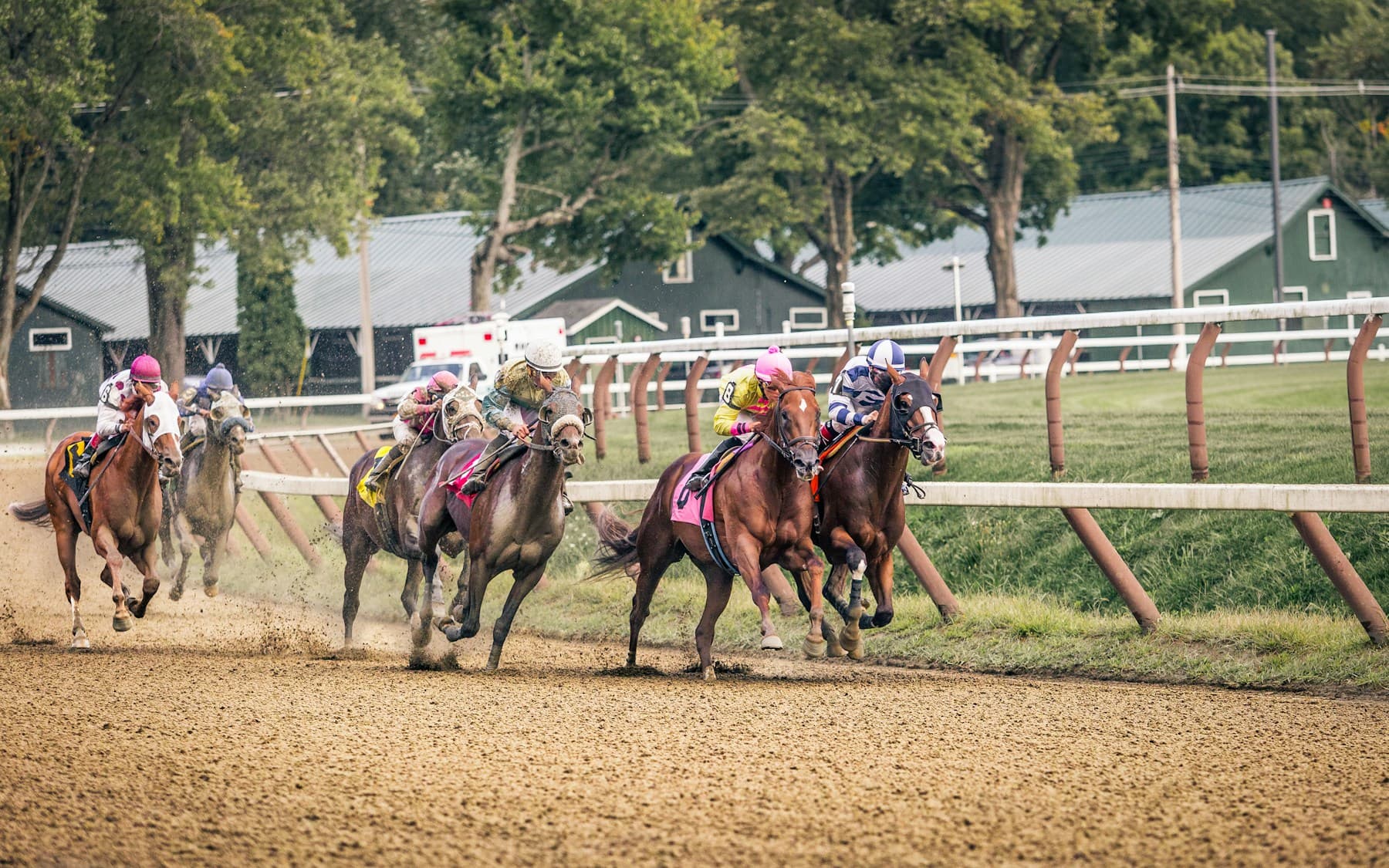
'Going' is racing's word for the ground: firm, good, good to soft, soft, heavy. It sounds like a detail. It is closer to a different sport. Soft ground lengthens the race for every horse, punishes speed, rewards stamina, and completely reorders some fields — a horse's record can read like two different animals split by the weather.
Why the market lags the rain
Ante-post and morning markets are priced on the expected going. When overnight rain turns 'good' into 'good to soft', every price in the race is stale — but the market corrects unevenly. Obvious mud-lovers get repriced quickly. Subtler cases don't: the horse whose two best career figures quietly came with cut in the ground, or the speed horse whose form line collapses on anything softer than good.
A useful system can compare a runner's stored performance fields across surfaces and going descriptions. When conditions change, the estimate should be regenerated from the licensed source data and recorded for later evaluation.
Using it without a model
Even hand-crafting it, the discipline is the same: check the going the morning of the race, not the night before. Read a horse's form by surface, not as one list. Distrust market prices set before a ground change. And remember draw bias interacts with ground — rail positions that fly on fast ground can be bottomless after rain.
See the theory running live
The scanner applies everything in this guide across major racing markets, around the clock — and publishes the record.
Scan today's overlays