
Pace Maps and Race Shape: The Race Within the Race
22 Jul 2026 · 5 min read · True Overlay team
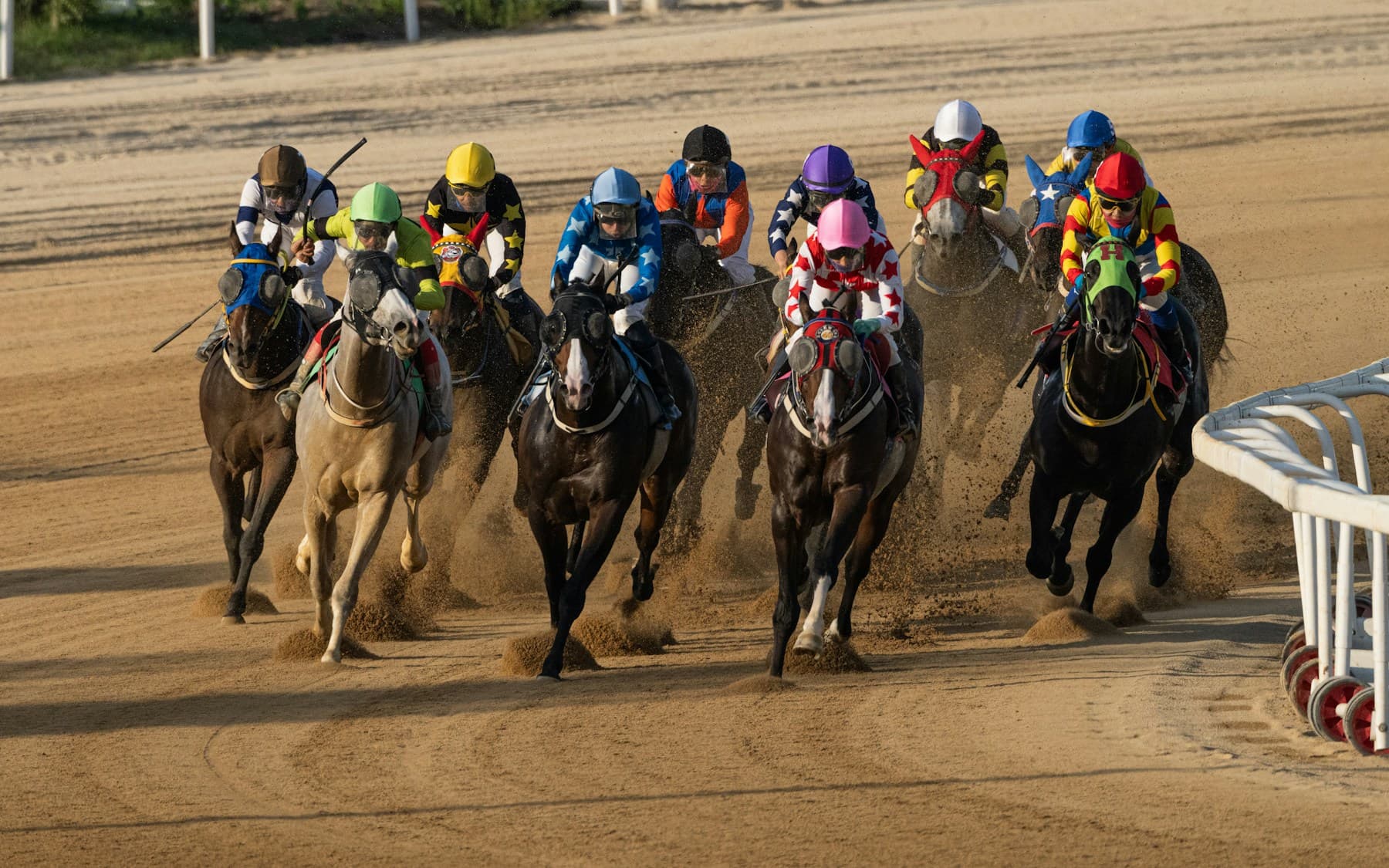
Every race has a shape before it has a result. Put three confirmed front-runners in the same field and they'll burn each other out, handing the race to whatever's closing. Give a single front-runner an uncontested lead and it will steal races it has no right to win on ability. The horses haven't changed — the race around them has.
Building the map
A pace map assigns each runner a running style from its history — front, prominent, mid-division, hold-up — and projects where everyone will be through the first half of the race. From there, the tactical questions answer themselves. Is there a lone leader? Expect a soft tempo and be suspicious of closers' chances. Is the front crowded? The set-up favours the horses arriving late.
The market prices horses mostly as isolated ability ratings. It's consistently slow to price race shape — which is why a proven closer in a pace-heavy handicap is one of the most reliable overlay profiles our scanner finds.
From map to probability
A pace map on its own is a picture, not a price. Converting it into a probability requires explicit assumptions about break positions, tempo, and trip luck. Those assumptions should be tested against settled races before anyone treats the estimate as demonstrated performance.
See the theory running live
The scanner applies everything in this guide across major racing markets, around the clock — and publishes the record.
Scan today's overlays